Define the role
Name the character, setting, age range, attitude, and situation so the voice has a clear dramatic frame.
Character voices
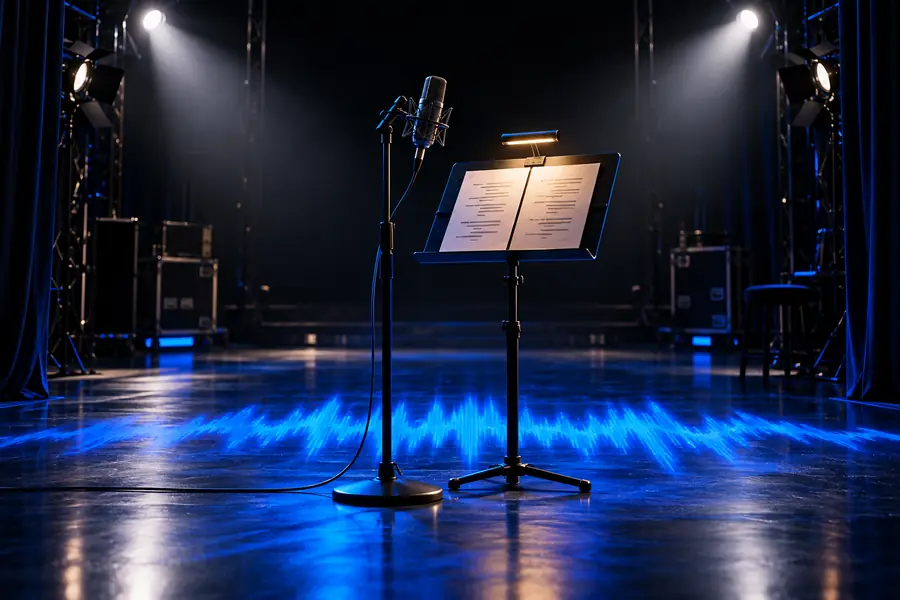
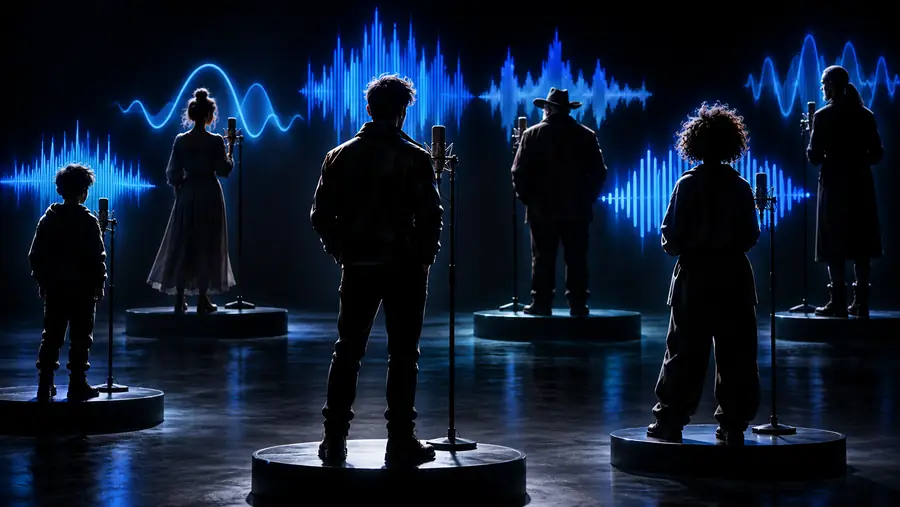
A character voice generator turns written dialogue into a directed performance with a recognizable mood, role, and delivery style. Start with a short scene or line, then refine the persona you want to hear.

Different projects need different delivery styles. These related pages focus on specific inputs, tones, and publishing uses.
Turn prepared writing into spoken audio with a clear, repeatable delivery brief.
Shape playful, exaggerated dialogue for animated scenes and lighthearted characters.
Explore a darker creature-style direction for suspense, games, and fantasy scripts.
Develop expressive character delivery suited to dramatic, energetic, or stylized scenes.
Create a short identifying vocal phrase for a creator, channel, or music project.
The strongest results come from moving from role to delivery instead of asking for a vague impression.
Name the character, setting, age range, attitude, and situation so the voice has a clear dramatic frame.
Add useful cues such as calm, hurried, suspicious, warm, clipped, theatrical, or quietly confident.
Listen for whether the result matches the scene, then adjust the wording and direction rather than changing everything at once.
Use this side-by-side brief to decide whether a scene needs a role-led performance or a neutral reading.
Character-led performance
Make the speaker feel like a distinct person
Standard narration
Deliver information clearly and consistently
Character-led performance
Role, attitude, setting, and emotional intent
Standard narration
Text clarity, pacing, and pronunciation
Character-led performance
Guarded, playful, weary, bold, awkward
Standard narration
Clear, measured, warm, professional
Character-led performance
Dialogue, reactions, interruptions, and subtext
Standard narration
Explanations, instructions, and narration
Character-led performance
Does the persona remain recognizable across lines?
Standard narration
Does the reading remain easy to follow?
Character-led performance
Characters, dialogue scenes, games, and animation
Standard narration
Guides, explainers, lessons, and factual videos
A written direction can guide a performance, but it cannot replace thoughtful casting, editing, or permission for real-person likenesses.
A vague or contradictory script may still sound unfocused even when the delivery direction is strong.
WorkaroundRewrite the line with a clear intention, listener, and emotional turn.
Small changes in wording or direction can alter emphasis, timing, and expression between generations.
WorkaroundKeep a reference brief and reuse the same persona description.
A familiar name or celebrity reference is not a responsible substitute for an original character brief.
WorkaroundDescribe age, energy, pacing, and attitude without naming a real individual.
A generated performance does not automatically add music, ambience, timing edits, or final video synchronization.
WorkaroundTreat the voice as one production element and finish the scene in your usual editor.
The difference is not just pitch. A useful brief gives the line a point of view, a situation, and a reason for the character to speak.
Add persona, intent, and scene context before refining the line.
Bring a character brief, a short line, or a scene idea to Voice Maker and give the performance a clear point of view. Start with the role and emotional intent, then add pacing or attitude only where it helps the listener understand the moment.
Answers to common questions about turning written character direction into a usable voice performance.
It uses written dialogue and direction to create a performed voice for a fictional role. The result depends on the clarity of the character brief, the scene context, and the delivery cues you provide.
You describe the speaker and provide the line they should say. Details such as attitude, pacing, energy, and situation help guide the performance toward a more recognizable character.
It can help with fictional dialogue, animation concepts, game scenes, video drafts, narration experiments, and character prototypes. It works best when the intended audience and scene purpose are clear.
Start with the role, situation, and emotional intention, then add practical delivery cues such as calm, urgent, playful, or restrained. Avoid stacking conflicting emotions in one short brief.
Keep a reusable description of the character's role, attitude, pacing, and vocal qualities. Reusing that reference across lines gives you a steadier foundation when you revise the script or scene.